Ethiopian Economics
Association
The Ethiopian Economics Association (EEA) was founded in 1991 as a non-profit, non-partisan, and independent research and membership organization.
Professionalism and Economic Thinking for Development!
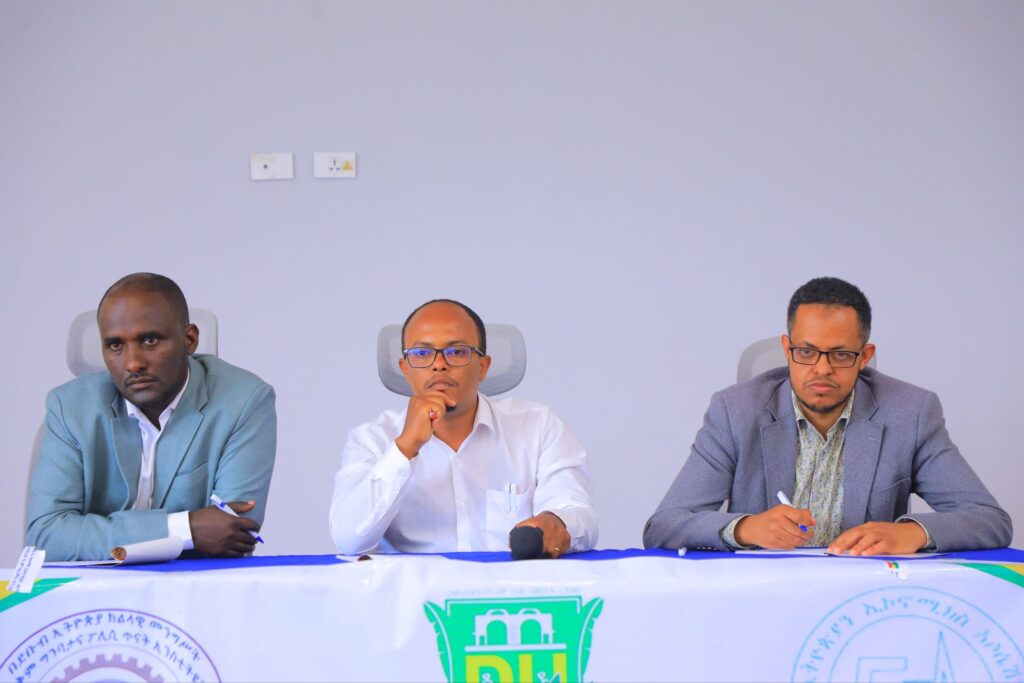
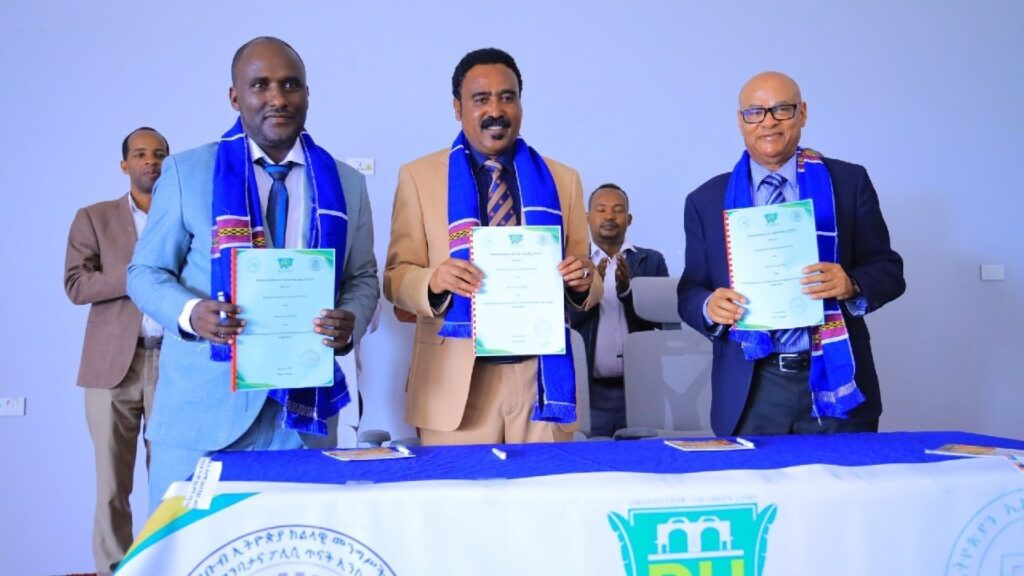
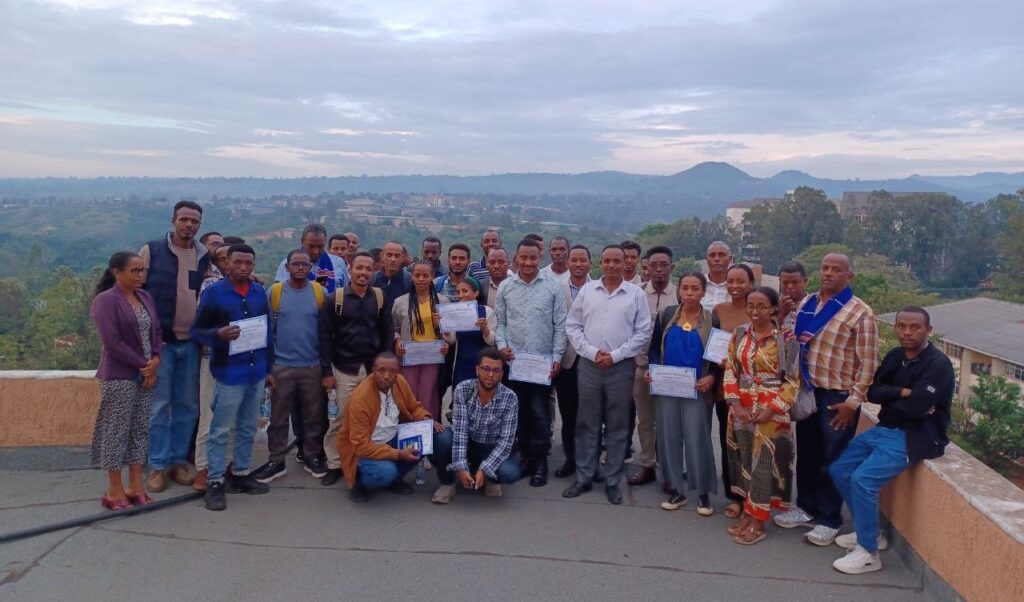
33rd General Assembly of the Ethiopian Economics Association
Evidence use for Policy Making: The Forum - Designing better Policies for Ethiopia
Recent News
Latest Publications
PROCEEDINGS OF THE TWENTY-THIRD INTERNATIONAL CONFERENCE ON THE ETHIOPIAN ECONOMY
The Anatomy of Inflation in Ethiopia: Structural Shocks, Policy Credibility, and thePath to Price Stability
Navigating the Transition: Monetary Tightening, Banking Trends, and Market Deepening.
Proceedings Of The Twenty-Second International Conference On The Ethiopian Economy
Don't Miss Out! Events
No upcoming events.
33rd General Assembly (GA) of the Ethiopian Economics Association
We are pleased to invite you to the 33rd General Assembly (GA) of the Ethiopian Economics Association, scheduled for Saturday, September 19, 2026, at the…
Our Research Themes
The Ethiopian Economics Association conducts research across a variety of thematic areas to address the unique economic challenges facing Ethiopia.
Macro Economy
- Economic growth and development policy options
- Foreign sector performance
- Fiscal policy and revenue mobilization
- Monetary policy, financial liberalization, and Inflation
Welfare and Human Development
- Poverty, inequality and livelihoods
- Food and nutrition
- Basic social services (education, health, housing, etc.)
- Labor and employment
- Urbanization, population dynamics, and migration
Trade and Industrial Development
- Manufacturing
- Trade and industrial analysis
- Market and industrial organization
- MSE development and job creation
- Intersectoral linkages
- Economic integration and business environment
Agricultural and Rural Transformation
- Land use and tenure policy
- Agricultural/rural finance and insurance
- Agricultural commercialization and mechanization
- Agricultural marketing and value chains
- Agricultural production and innovation
Institutions, Environment and Climate Change
- Institutions and property rights
- Economics of natural resources
- Economic valuation of resources
- Economics of climate change
- Environmental impact assessment and sustainability
Gender and Women’s Economic Empowerment (WEE)
- Institutions and poverty rights
- Economics of natural resources
- Economic valuation of resources
- Economics of climate change
- Environmental impact assessment and sustainability
Macro Economy
This research theme focuses on the following subthemes
- Economic growth and development policy options
- Foreign sector performance
- Fiscal policy and revenue mobilization
- Monetary policy and financial liberalization, and Inflation
Welfare and Human Development
This research team comprises the following subthemes:
- Poverty, inequality and livelihoods
- Food and nutrition
- Basic social services (education, health, housing, water and sanitation, electricity, etc
- Labor and employment
- Urbanization and population dynamics, and migration
Trade and Industrial Development
This research team comprises the following subthemes:
- Manufacturing
- Trade and industrial analysis
- Market and industrial organization
- MSE development and job creation
- Intersectoral linkages
- Economic integration, and Business enabling environment
Agricultural and Rural Transformation
This research team comprises the following subthemes:
- Land use and tenure policy
- Agricultural/rural finance and insurance
- Agricultural commercialization and mechanization
- Agricultural marketing and value chains, and Agricultural production and innovation.
Institutions, Environment and Climate Change
This research team comprises the following subthemes:
- Institutions and property rights
- Economics of natural resources
- Economic valuation of resources
- Economics of climate change
- Environmental impact assessment and sustainability.
Gender and Women’s Economic Empowerment (WEE)
This research team comprises the following subthemes:
- Institutions and poverty rights
- Economics of natural resources
- Economic valuation of resources
- Economics of climate change
- Environmental impact assessment and sustainability.
Select Your
Membership Levels
Full
Full members are the decision-makers, contributing to leadership and policies.- Degree in Economics
- Participation in activities.
- Right to elect and be elected.
- 50% discount on publications.
- EEA Library access.
- Online community participation.
- Access to data resources and discussions
Associate
Associate members contribute to the Association but cannot vote.- Diploma in any discipline
- Participation in activities.
- No right to elect or be elected.
- 50% discount on publications.
- Library access.
- Online community participation.
- Access to data resources and discussions
Student
For students in Ethiopian universities/colleges studying economics.- Economics students
- Participation in activities.
- No right to elect or be elected.
- 50% discount on publications.
- Library access.
- Online community involvement.
- Access to educational data resources and discussions
Institution
Institutions support the EEA’s goals and join via representatives.- Open to supporting institutions
- Participate through a representative.
- No right to elect or be elected.
- 50% discount on publications.
- Library access.
- Online community access.
- Data and research tools.
Our Partners


Latest Projects

- Partner: Amref Health Africa /BMGF/



About Us
The Ethiopian Economics Association (EEA) was founded in 1991 as a non-profit, non-partisan, and independent research and membership organization. The EEA is committed to offering its members a robust platform for networking, practical learning, and access to the latest information in the field of economics. Furthermore, the association plays a pivotal role in generating evidence to support informed policy making, particularly in navigating the ever-evolving social, economic, and environmental landscapes of Ethiopia and beyond. This commitment extends to fostering innovative research methodologies and promoting academic rigor and developmental processes.