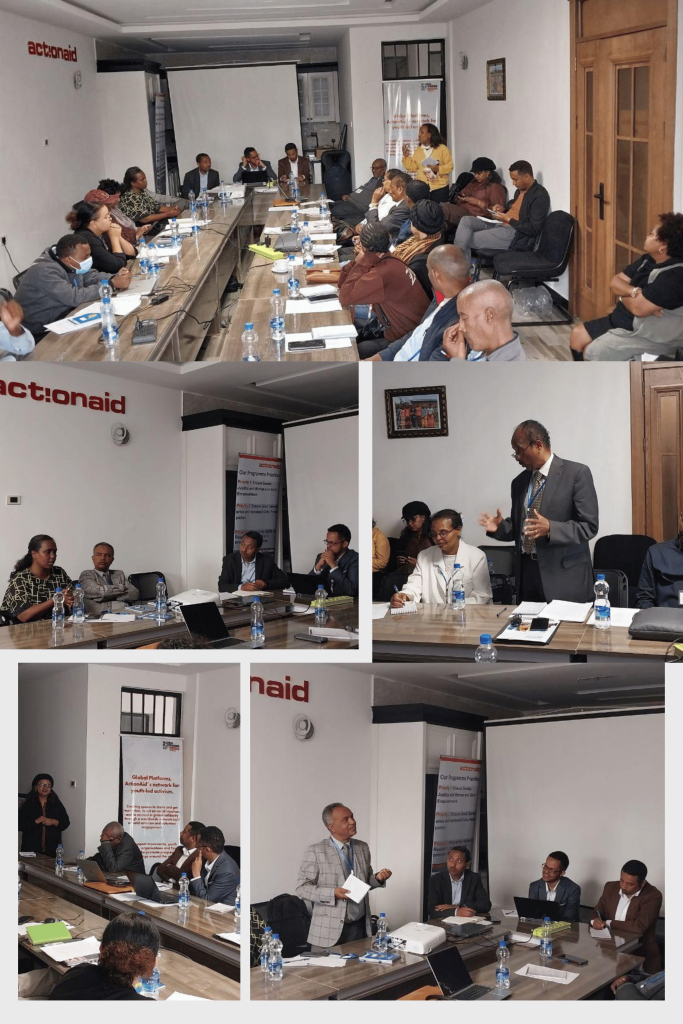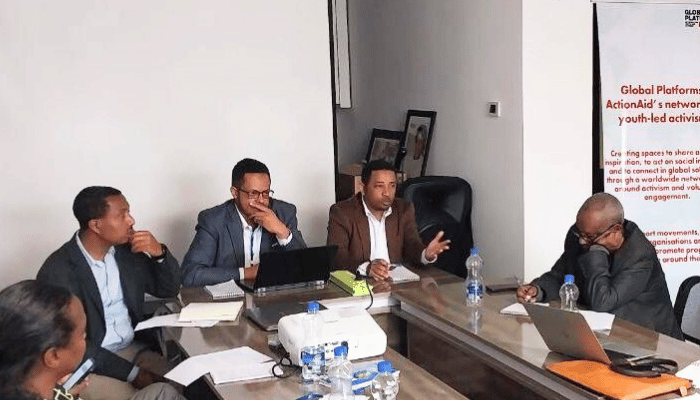
The Ethiopian Economics Association (EEA), in close collaboration with ActionAid Ethiopia, successfully convened a High-Level National Advocacy Workshop on Alternative Development Financing on Tuesday, September 16, 2025, at ActionAid’s Empowerment Hub in Addis Ababa.
This timely workshop brought together stakeholders from government institutions, academia, civil society organizations, the private sector, and international development partners to deliberate on the challenges and opportunities around Ethiopia’s development financing landscape, particularly in light of Official Development Assistance (ODA) cuts, the national debt burden, and the need for sustainable, inclusive alternatives.
The event was anchored in a Rapid Assessment Study jointly undertaken by EEA and ActionAid Ethiopia, which assessed the impacts of ODA reductions, the debt crisis, and the grassroots realities of financing development initiatives in Ethiopia. The findings served as a foundation for policy dialogue and collaborative reflection on alternative financing mechanisms that center communities and long-term sustainability.
Two senior researchers from EEA, Dr. Naser Nuru and Dr. Abule Mehare, presented insightful and well-received analyses, offering policy-relevant insights into the structural challenges affecting Ethiopia’s development financing model. Their presentations sparked active and meaningful discussions among participants, contributing to a shared understanding of the need for innovative, evidence-based approaches.
In their opening and keynote remarks, several high-level representatives from ActionAid emphasized the importance of such forums in fostering dialogue, promoting joint learning, and strengthening the collective voice of development actors. Ms. Genet Shume, Head of Programs at ActionAid Ethiopia, reiterated that these platforms are vital to rethinking financing models that are people-centered and justice-driven. Mr. Nigus Simane, Interim Country Director of ActionAid Ethiopia, highlighted the urgency for coordinated efforts and reaffirmed ActionAid’s commitment to working closely with academic institutions and civil society in driving change. Ms. Tinebeb Birhane, Head of Africa Region at ActionAid International, echoed these sentiments, emphasizing the critical role that civil society organizations (CSOs) are expected to play in ensuring development financing strategies are aligned with grassroots needs and realities.
The workshop concluded with a strong consensus on the importance of home-grown financing solutions, increased policy engagement, and a proactive role for CSOs and research institutions in shaping Ethiopia’s development agenda. Participants appreciated the opportunity for open dialogue and the practical recommendations generated through the discussions.
The Ethiopian Economics Association extends its sincere appreciation to ActionAid Ethiopia for the fruitful collaboration and to all participants for their active engagement. EEA remains committed to supporting policy processes through rigorous research, dialogue, and partnerships that promote equitable and sustainable development.